Your Nemesis Is a Computer That Weighs Bananas for a Living
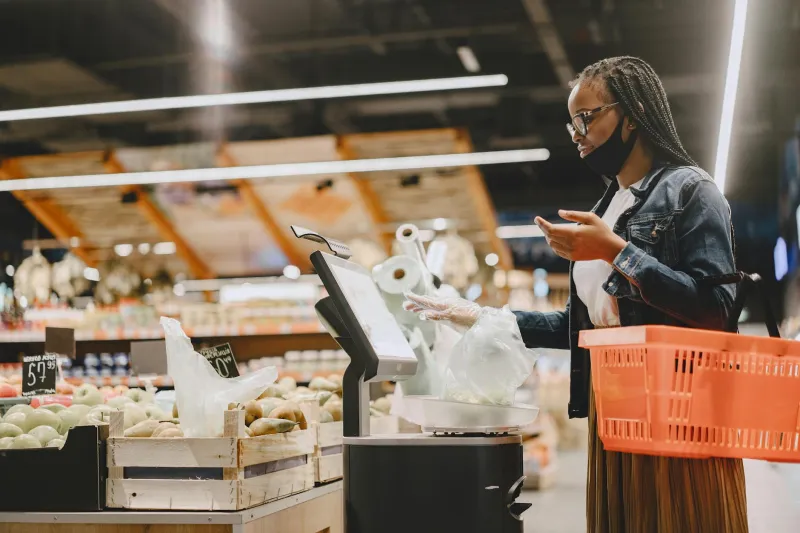
The Interrogation Begins
You approached this relationship with such optimism. Self-checkout would be faster, you thought. More convenient. No small talk with cashiers, no waiting behind someone buying 47 individual greeting cards. Just you, your groceries, and a simple machine designed to make your life easier.
You were so naive.
The machine greets you with the fake enthusiasm of a customer service training video: "Welcome! Please scan your first item." But underneath that cheerful exterior lurks the soul of a suspicious mall security guard who's already decided you're probably shoplifting.
The Banana Incident
It starts innocently enough. You scan a box of cereal. Beep. Success. The machine acknowledges your competence with grudging approval. You're feeling confident. Maybe you've misjudged these things.
Then you reach for the bananas.
The machine's tone shifts immediately. "Please place the item in the bagging area." But there's an edge to it now. A warning. You set the bananas down gently, like you're defusing a bomb.
"Unexpected item in bagging area."
Excuse me? These are bananas. You selected bananas on the screen. You weighed bananas on the scale. The machine literally watched you do this entire process, and now it's acting like you've tried to sneak a motorcycle through the produce scanner.
You lift the bananas up, then place them down again, slower this time. Maybe the machine just needs a moment to process what happened.
"Unexpected item in bagging area. Please remove the item before continuing."
The machine has decided that your bananas are contraband. Not just wrong—unexpected. Like you've violated some fundamental law of grocery physics by bringing fruit to a food store.
The Attendant Arrives
Nothing announces your failure to the entire store quite like the arrival of the self-checkout attendant. This person has to walk over, keys jingling with the authority of someone who understands the mysterious ways of the scanner gods, while you stand there holding bananas like evidence of your incompetence.
"What seems to be the problem?" they ask, but their tone suggests they already know. The problem is you. The problem is always you.
"I scanned the bananas, but it says unexpected item," you explain, as if this sentence makes any sense when spoken out loud.
The attendant nods with the weary patience of someone who has this exact conversation forty times a day. They tap their magic supervisor code into the machine, which immediately becomes docile and cooperative. The same bananas that were contraband thirty seconds ago are suddenly acceptable groceries again.
"Try scanning your next item," they say, walking away with the confidence of someone who has temporarily restored order to the universe.
The Trust Issues Escalate
But the machine remembers. Oh, it remembers. You've been marked as a troublemaker, someone who brings unexpected bananas to the bagging area. Every subsequent item is now subject to enhanced scrutiny.
You scan a loaf of bread. The machine pauses, considering. Is this bread legitimate? Did you really scan it, or are you trying to pull some kind of carbohydrate-based con job?
"Please wait for assistance."
For bread. Normal, everyday bread that comes with a barcode specifically designed for this exact purpose. But the machine has trust issues now, and you're paying the price for the banana incident.
The attendant returns, looking less patient this time. They override the system again, but you catch them glancing at your remaining groceries with the expression of someone calculating how many more times they'll need to come back.
The Psychological Warfare
By the third intervention, you start to doubt yourself. Maybe you didn't scan the yogurt properly. Maybe you placed it in the bagging area too quickly, or at the wrong angle, or with insufficient respect for the machine's authority.
You become hyperaware of every movement. You scan items with exaggerated precision, like you're performing surgery. You place them in the bagging area with the gentleness of someone handling ancient artifacts.
But the machine isn't fooled by your newfound caution. If anything, your careful behavior seems to increase its suspicion. Now you're trying too hard. Now you're obviously guilty of something.
"Please wait for assistance."
The yogurt has joined the bananas and bread in the machine's growing file of evidence against you. You're building a criminal record based entirely on grocery items that you legitimately purchased and scanned correctly.
The Public Humiliation
The worst part isn't the machine's suspicion—it's the audience. Every malfunction is announced to the entire self-checkout area with the subtlety of a fire alarm. "Please wait for assistance" might as well be "Hey everyone, come watch this person fail at the basic human task of buying food."
Other customers glance over with expressions ranging from sympathy to smugness. Some of them are having smooth, successful transactions with their machines, which makes you wonder what you're doing wrong. Are they members of some secret society? Do they have special training? Did they sign a peace treaty with the self-checkout overlords?
Meanwhile, the traditional checkout lines are moving at lightning speed. People who chose human cashiers are loading their groceries into cars while you're still locked in combat with a computer over whether you actually scanned the pasta sauce.
The Existential Crisis
Somewhere around the fifth "unexpected item" alert, you begin to question reality itself. Did you scan these items? The machine seems very confident that you didn't, and machines don't lie, right? They're programmed for accuracy.
Maybe you're having some kind of breakdown. Maybe you think you scanned things but you actually just waved them vaguely in the direction of the scanner while making beeping sounds with your mouth. Maybe the machine is trying to help you by pointing out that you've lost touch with basic cause-and-effect relationships.
You look down at your groceries—all of them scanned, all of them paid for, all of them somehow still suspicious—and wonder if this is what gaslighting feels like when it's being done by artificial intelligence.
The Attendant's Judgment
By now, the self-checkout attendant knows you by sight. They're no longer surprised when their screen lights up with another alert from your station. They approach with the resigned air of a parent dealing with a particularly difficult toddler.
"What's it saying now?" they ask, not even looking at the screen.
"Unexpected item in bagging area," you report, holding up a completely ordinary apple.
"Did you scan it?"
"Yes."
"Did you put it in the bag?"
"Yes."
"Hm." They override the system again, but their expression suggests they're not entirely convinced of your innocence. Maybe you did scan the apple. Maybe you put it in a bag. But did you do these things with the proper respect for the process? Did you follow the unwritten rules that govern the relationship between humans and self-checkout machines?
Probably not.
The Stockholm Syndrome Phase
After twenty minutes of this psychological warfare, something strange happens. You start to side with the machine. Maybe it's right to be suspicious. Maybe you are trying to steal things, subconsciously. Maybe the machine can sense criminal intent that you're not even aware of having.
When it accepts your final item without complaint, you feel genuinely grateful. "Thank you," you whisper to the screen, like you're thanking a judge for a lenient sentence.
The machine processes your payment with mechanical indifference, but you interpret this as forgiveness. You've been through something together. You've reached an understanding.
"Please take your receipt," it says, and you hear warmth in those words that definitely isn't there.
The Aftermath
You walk away with your groceries, victorious but traumatized. The entire experience took three times longer than using a human cashier, involved multiple interventions from store staff, and left you questioning your basic competency as a functioning adult.
But you did it. You successfully purchased food using a machine designed to make purchasing food easier. This feels like an accomplishment worthy of celebration, even though it shouldn't.
As you load your bags into your car, you notice other people approaching the self-checkout stations with the same optimistic confidence you had thirty minutes ago. Poor, naive souls. They have no idea what they're walking into.
The machines are waiting for them, patient and suspicious, ready to transform the simple act of buying groceries into an adversarial relationship between human and computer.
And somewhere in the store's computer system, your transaction is being analyzed by algorithms trying to determine whether your banana-purchasing patterns indicate criminal intent.
They probably do. The machines are always right, after all.